Colombia
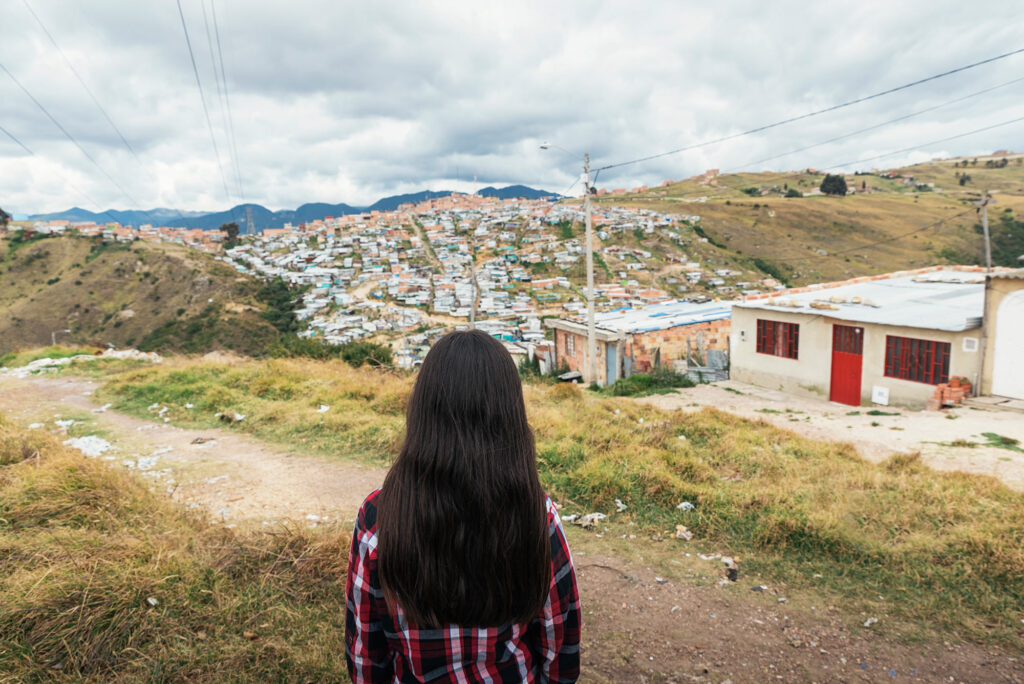
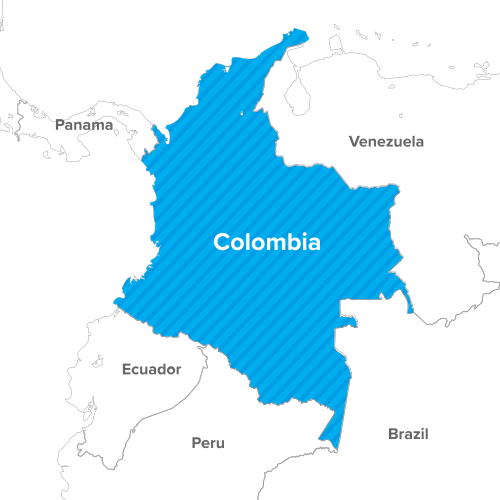
International Medical Corps began working in Colombia in 2020, focusing on the rural areas of the Colombia–Venezuela border that have limited access to health services.
Working with local partners in the La Guajira department of Colombia, we provided a range of healthcare services to thousands of Venezuelan refugees, including medical and mental health care, infection prevention and control, nutritional support, and services related to water, sanitation and hygiene (WASH).
Drawing on our in-country network, we are able to respond to natural disasters in Colombia by supporting ongoing assessments, identifying priority humanitarian needs and mobilizing prepositioned emergency supplies and assets from our logistics hubs in Panama and elsewhere.
50 million
75.6/80.9
Male/Female
1+ million
Challenges
Health System
Health services are precarious in many of these places and there are few facilities providing services to patients.

Logistics
There are difficulties in transporting health supplies, vaccines and vaccination kits for a number of reasons, including lack of roads.
Migrants
The irregular flow of migrants creates health challenges, especially involving the spread of infectious disease.
Our Response
Healthcare
Areas on the border between Colombia and Venezuela are highly dynamic in terms of migration, with a need for essential health services and supplies, mental health and psychosocial support, nutrition, services related to violence against women and girls, and water, sanitation and hygiene services. Health facilities in the eastern areas of the country that border or are near the border with Venezuela—such as the departments of Aracua, Guajira, Santander and Vichada—have limited capabilities to support large numbers of migrants and internally displaced persons.
In responding to previous outbreaks of infectious disease, International Medical Corps focused our health-services support mainly on direct surge capacity to diagnose and quickly treat acute respiratory infections (ARIs) of the first level of complexity in the municipalities of Maicao and Rioacha by providing:
- temporary mobile medical shelters located adjacent to the agreed settlements for quick treatment of ARIs;
- PPE and supplies needed for public hospitals and temporary mobile medical shelters to operate; and
- inpatient care for migrant patients referred by the emergency response team of La Guajira to Riohacha Hospital and Maicao Hospital.

Water, Sanitation and Hygiene (WASH)
In response to previous outbreaks of infectious disease, International Medical Corps addressed WASH needs by providing safe water for drinking, and WASH-related supplies for the biggest settlements of Maicao and Riohacha. We also provided communities with hygiene kits to help minimize the spread of disease.