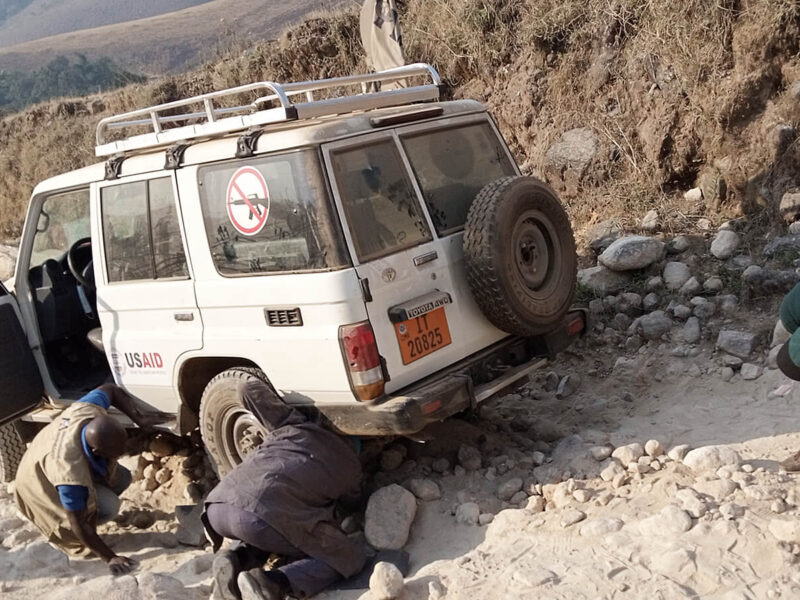
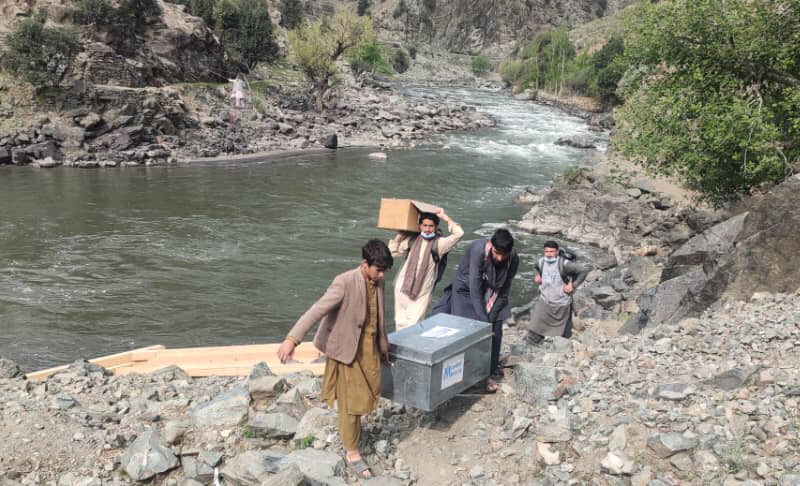
Behind the Scenes
Logistics and supply-chain experts explain the complexities of humanitarian responses, as well as the benefits of partnerships in providing effective, efficient aid.
Starting in July 2024, the Far North region of Cameroon began experiencing excessive rainfall that led to swelling rivers and flooding—all of which worsened ongoing security issues in the area. The floods—which have impacted more than 400,000 people—have led to food insecurity and displacement, in addition to making healthcare much harder for communities to access. …
Supporting Sudanese Refugees in Libya The ongoing conflict in Sudan has displaced more than 11 million people, with more than 2 million seeking refuge in neighboring countries. By the end of 2024, Libya hosted approximately 215,000 Sudanese refugees. In Kufra, hundreds of refugees arrive daily at informal camps—yet healthcare facilities remain severely understaffed, lacking essential …
In South Sudan, where floods swallow the land and infrastructure is almost non-existent, accessing urgent medical care can be a life-or-death challenge. This became painfully clear when International Medical Corps Program Manager Bithou Gatkuoth faced a medical emergency while working in Nyal, a city in the central part of the country. On Saturday, February 1, …
International Medical Corps was founded 40 years ago in Afghanistan by Dr. Robert Simon and other volunteer doctors and nurses who had one lifesaving mission in mind: deliver vital care, training and supplies to people who need it most, no matter where they are located or how challenging it may be to reach them. During …
Ukraine’s health facilities have been hit hard by war. Between February 2022, when Russia launched its full-fledged invasion, and April 2024, the World Health Organization (WHO) documented 1,682 attacks on the healthcare system, including health providers, facilities, supplies, warehouses and transport. And there is no sign of the illegal attacks stopping. At International Medical Corps, …
When International Medical Corps needed a software solution to address last-mile challenges in pharmaceutical inventory management, it created PIMS.
As climate-related catastrophes devastate the communities where we work, International Medical Corps is working hard to adapt. And there is perhaps no part of our organization that can make a bigger impact on lowering our emissions of carbon dioxide (CO2) and other greenhouse gases than the Global Logistics & Supply Chain team, which oversees our …
Now directly integrated with Flexport technology, International Medical Corps’ Pharmaceutical Information Management System (PIMS) provides additional visibility into the upstream management of the supply chain cycle for Flexport users. International Medical Corps, a global humanitarian relief organization based in Los Angeles, has collaborated with Flexport.org to expand the capacity of its award-winning Pharmaceutical Information Management …