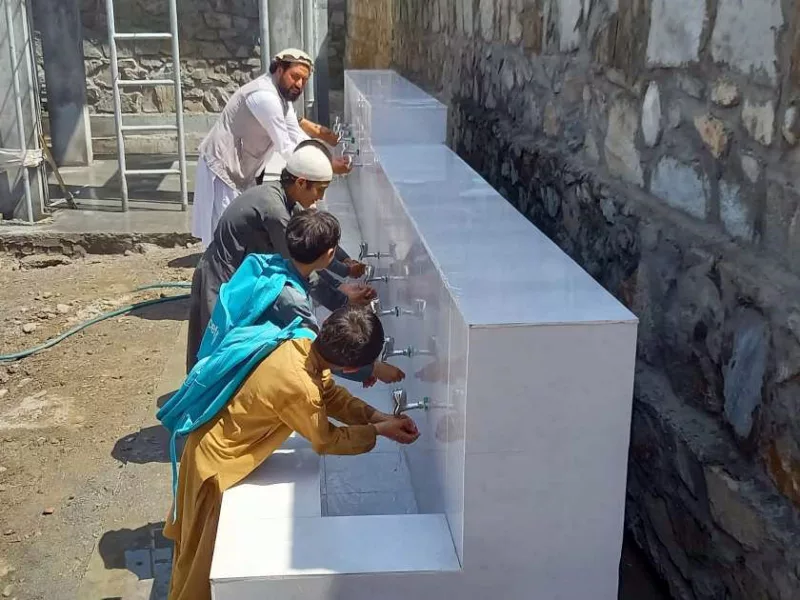
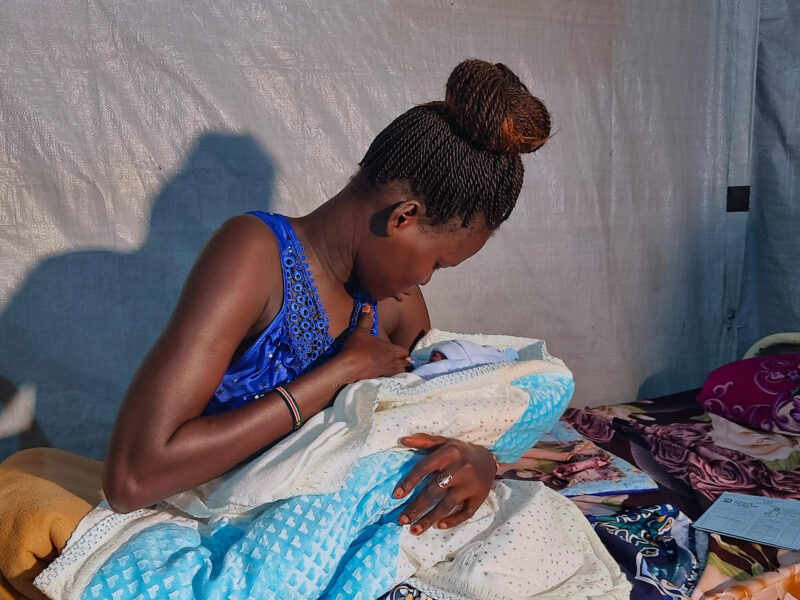
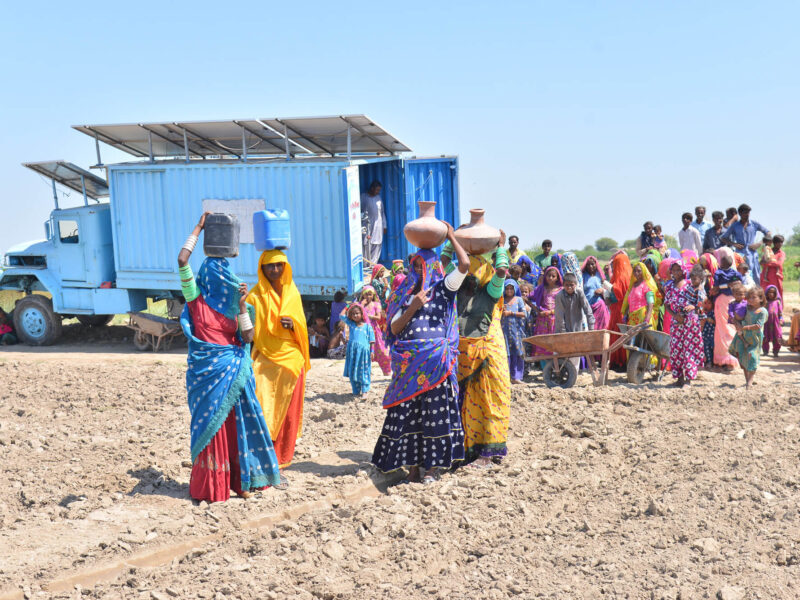
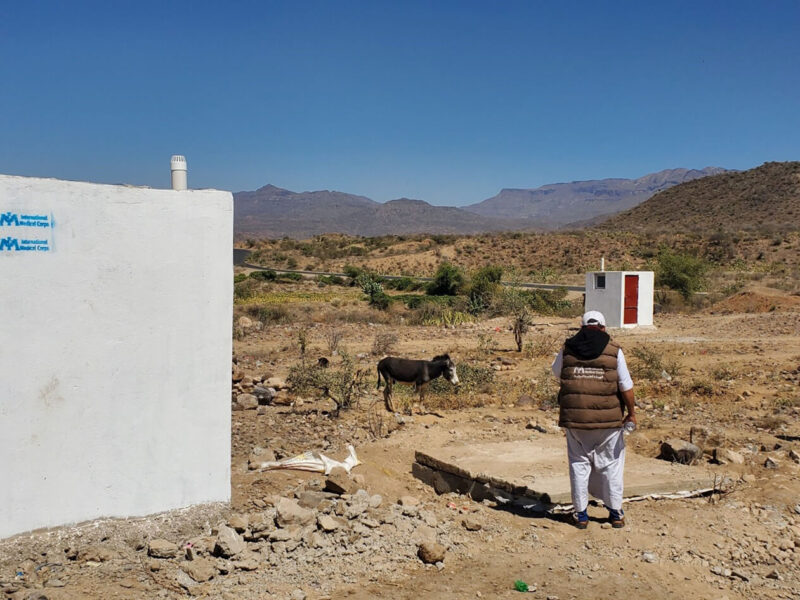
Flooding in the Bhote Koshi river has affected low-lying areas along the riverbanks and nearby residences in Nuwakot district.
FEATURED STORY

Flooding in Nepal: What You Need to Know

Learn about the flash floods that devastated the Himalayan country on August 26, and how International Medical Corps is helping those affected.

Read more
Items
Filters:
Story

Snapshots August 2026

Bringing Healthcare Closer to Flood-Affected Communities in the Philippines In Bulacan province, northwest of Manila, weeks of flooding have submerged homes, roads and health facilities. Thousands of people have now been displaced and access to critical healthcare has been made even more difficult. But flooding doesn’t just damage infrastructure—it can create serious health risks due …

Continue Reading

Story

Where Water Flows, Health Follows

Good health cannot exist without clean water. In Zimbabwe, International Medical Corps is making sure that the two interrelated needs are met—by first ensuring that communities have access to clean water, and can maintain that access. From there, good health can follow. Zimbabwe is facing significant water, sanitation and hygiene (WASH) challenges. From December 2025 …

Continue Reading

Story

Villages Take Ownership of Their Water and Health in Zimbabwe

In rural Zimbabwe, women and girls are the primary water collectors. Before our team made improvements to water access and infrastructure in several villages there, this responsibility was so time-consuming that school-age girls missed 10 to 15 school days per year. Suan Kupuka, who now chairs her local water committee, describes life in her Bikita …

Continue Reading

Story

How a Water Access Point in Rural Zimbabwe Created a New Oasis

Until our intervention earlier this year, the 100 residents of Village 1 in Ward 24 of Bikita District had struggled with water scarcity since 1982. Every day, women, children and elderly community members in the Zimbabwean village’s 23 households labored to obtain clean water, but their only option was to endure the daily grind of …

Continue Reading

Story

How Do You Build a Pit Latrine? One Brick at a Time

In many parts of the world, daily access to a functioning toilet is about more than just basic hygiene. The humble toilet becomes not only, as the United Nations says, a “place for peace,” but a vital tool in improving community water, sanitation and hygiene (WASH) practices. Things like a private, working toilet promote proper …

Continue Reading

Story

Making a Difference for This Generation—and the Next

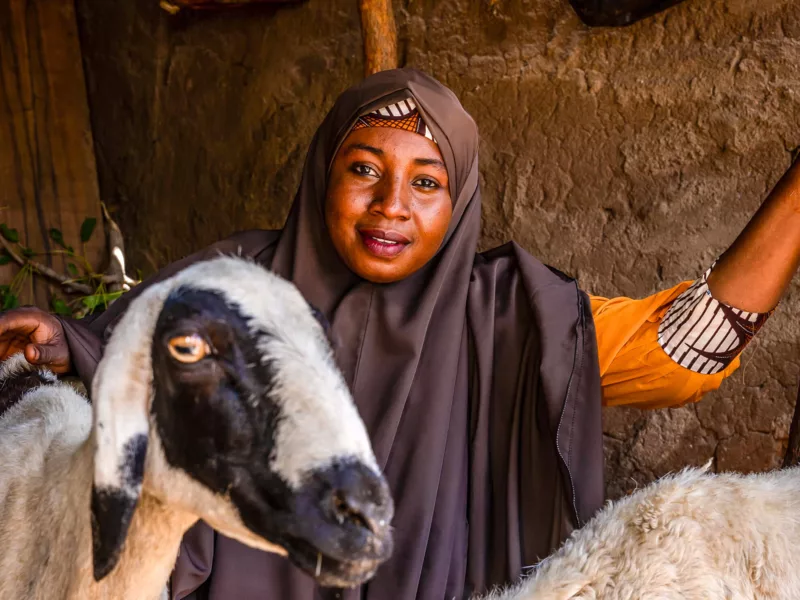
Meet Pamela Murakwani, our Nutrition Director in Zimbabwe. Where are you based? I am based in the beautiful city of Bulawayo, also popularly known as “The City of Kings (and Queens).” It’s my hometown and the second-largest city in Zimbabwe. What is your background? I’m a public health nutritionist and graduated with a Master’s degree …
Continue Reading

Story

A Shared Global Vision: Our Top 10 Images from 2023

Like so many recent years, 2023 was a year of challenge and heartbreak for too many communities worldwide—wars rage on, the dangerous effects of climate change are on the rise and millions of people have been displaced from their homes, facing an uncertain future. Yet with the help of our global community of generous supporters, …

Continue Reading

Story

November Snapshots 2023

Fighting Period Poverty, Climate Change and Water-borne Disease in Zimbabwe Amid a decade of economic decline in Zimbabwe due to ongoing drought and, more recently, the COVID-19 pandemic, we have delivered quality health and nutrition services to vulnerable people in food-insecure rural areas, contributed to improved nutrition and helped reduce the spread of waterborne diseases …

Continue Reading

Story

September Snapshots 2023

Responding in Libya and Morocco Our teams are on the ground providing medical relief to survivors of the Libya floods and Morocco earthquake, as well as to communities around the world affected by extreme weather and other disasters. In Libya, where more than 40,000 flood survivors have been displaced from their homes, we have three …

Continue Reading

Page: