Our Response to Ebola in the DRC
Screening and Referral Units
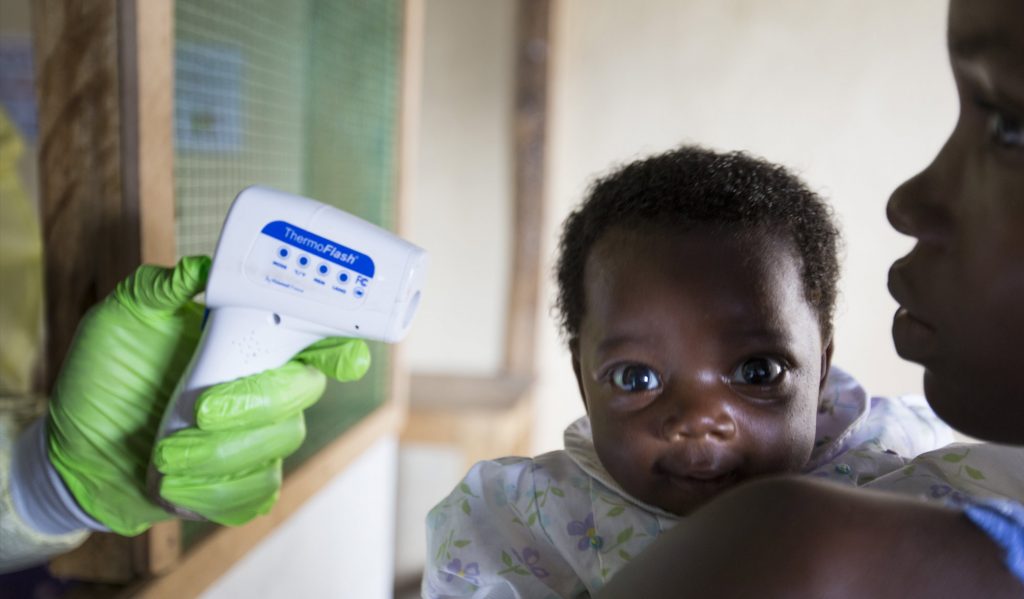
We set up and are running screening-and-referral units, or SRUs, which are the first line of defense when it comes to detecting and stopping the spread of Ebola. Often located in frontline health centers and communities, SRUs are where health workers rapidly identify suspected cases, safely triage patients and minimize transmission of the deadly disease. People who have fevers or other symptoms of Ebola can then be transferred from SRUs to Ebola Transit Centers, where suspected cases are isolated and receive supportive treatment while awaiting laboratory diagnosis. We currently have set up and are supporting a number of transit centers located a health centers in affected provinces.
Ebola Treatment Centers
When a patient is confirmed to have Ebola, they are transferred to an Ebola Treatment Center, or ETC, where they are isolated and receive appropriate treatment by trained and properly outfitted staff in a controlled environment. There currently are no therapeutic treatments for the Bundibugyo strain of Ebola, so patients infected with this strain receive a range of supportive treatments, including fluid and electrolyte replacement, and medications to reduce fever, manage pain, and control vomiting and diarrhea. The earlier that patients seek such care, the better the outcome. We are providing care at a number of ETCs in the DRC, including the country’s largest.
IPC/PPE
Because Ebola is so contagious, it is extremely important that health staff protect themselves while caring for patients. This requires that they follow strict infection-prevention and control (IPC) practices while fully outfitted in personal protective equipment (PPE). Because the virus can live on surfaces and equipment as well as be passed along by people, IPC involves following comprehensive cleaning and disinfection practices on such areas, often using a 0.5% chlorine solution. Proper PPE includes such items as gowns, aprons, head covers, face masks, goggles, gloves and boots that must be properly fitted while putting them on (donning) and carefully handled while taking them off (doffing). Because outbreaks of Ebola typically occur in hot, humid environments, healthcare workers must take care to limit their time in PPE so they don’t overheat. Our teams are procuring tens of thousands of pieces of PPE each month to ensure that health staff have the supplies they need.
Community Outreach & Capacity Building
Many of the areas in the DRC that this outbreak of Ebola has affected experience large population movements due to conflict and economic activity. Poverty is widespread, and access to functioning health facilities is low. Widespread distrust of the government and misinformation, as well as cultural beliefs, have reduced health-seeking behavior and even led to attacks on healthcare facilities and workers. Consequently, a large part of International Medical Corps’ response to Ebola involves risk communication and community engagement (RCCE) activities that strengthen surveillance systems, facilitate early referrals and build trust. During these RCCE sessions—which include door-to-door awareness visits, visits to marketplaces, small-group discussions and community dialogue sessions—we meet with community members and leaders to talk about how to prevent Ebola, why it’s important to seek medical attention when experiencing symptoms, safe and dignified burial practices and how to best protect families from the disease.
We also provide extensive training to healthcare workers on how to recognize the signs and symptoms of Ebola, and to strengthen their ability to detect, isolate, clinically manage and safely refer suspected cases of Ebola and other diseases, working closely with Ministry of Health and other officials to ensure compliance with national preparedness and response protocols. And because other health needs persist during Ebola outbreaks, we strengthen local health systems by providing the training, equipment and medical supplies needed to meet community health needs.
Fear, grief and stigma surrounding Ebola continue to affect patients, families and frontline health workers in the DRC, while misinformation has fueled community tensions, demonstrations and, in some cases, attacks on healthcare workers and ETCs. That’s why International Medical Corps integrates mental health and psychosocial support (MHPSS) with our community engagement activities—helping people to cope with the emotional impact of the outbreak while addressing misinformation and maintaining access to lifesaving care.
MHPSS
Our teams provide a wide range of MHPSS services, including psychological first aid for those affected by the crisis. We also train healthcare and community workers to recognize and respond to mental health needs, strengthening the ability of caregivers to support affected populations. In addition, we provide psychosocial support to patients during treatment and after discharge while providing care for families and frontline workers coping with the ongoing stress and challenges of the response.