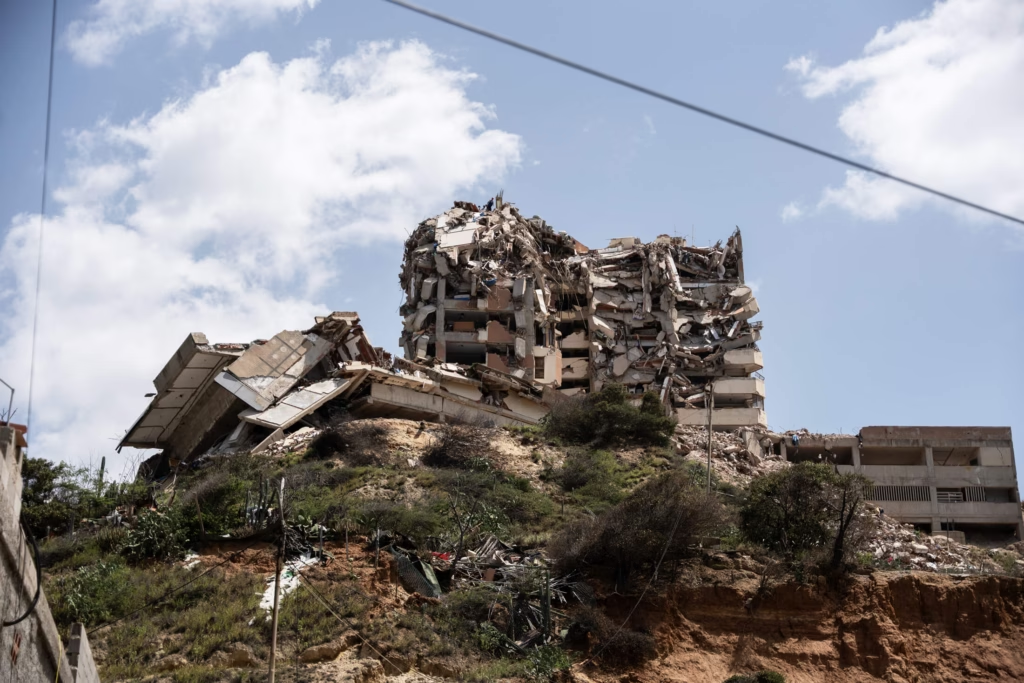
On June 24, 2026, Venezuela was struck by two consecutive earthquakes measuring 7.2 and 7.5 in magnitude, causing widespread damage and destruction throughout the region, especially in Caracas and La Guaira.
On June 25, the Venezuelan government declared a state of emergency. The earthquake’s reported toll included:
- more than 6,500 deaths and almost 226,700 injuries;
- almost 6,500 people rescued from wreckage;
- some 70,000 buildings damaged or destroyed;
- 107 transitional camps established, serving more than 23,900 displaced people; and
- demand for care from the health system exceeding capacity by 900%.
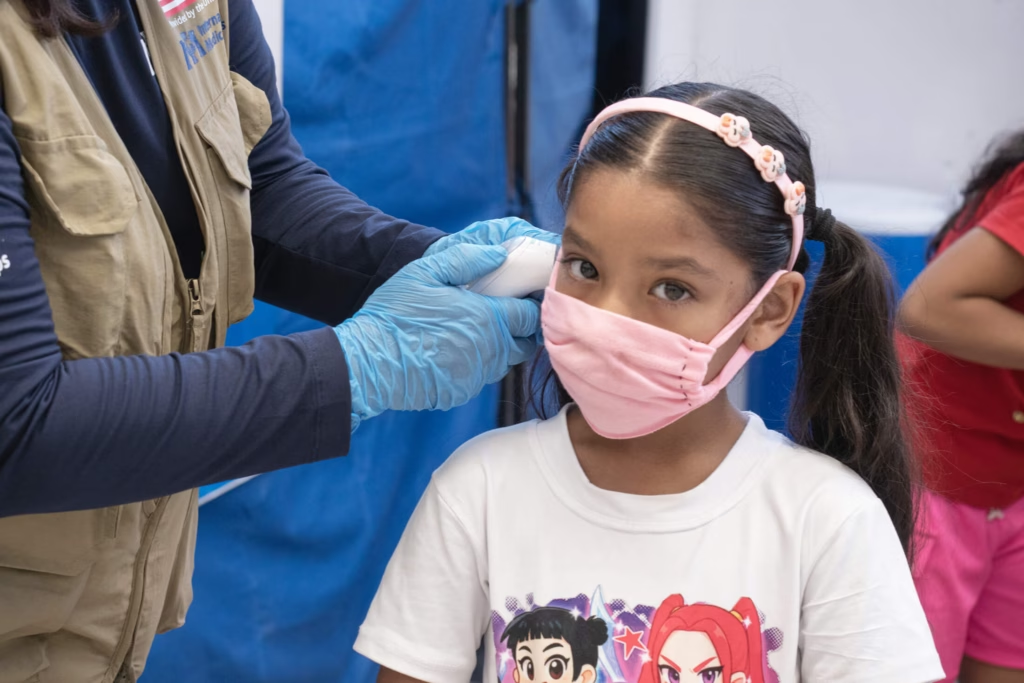
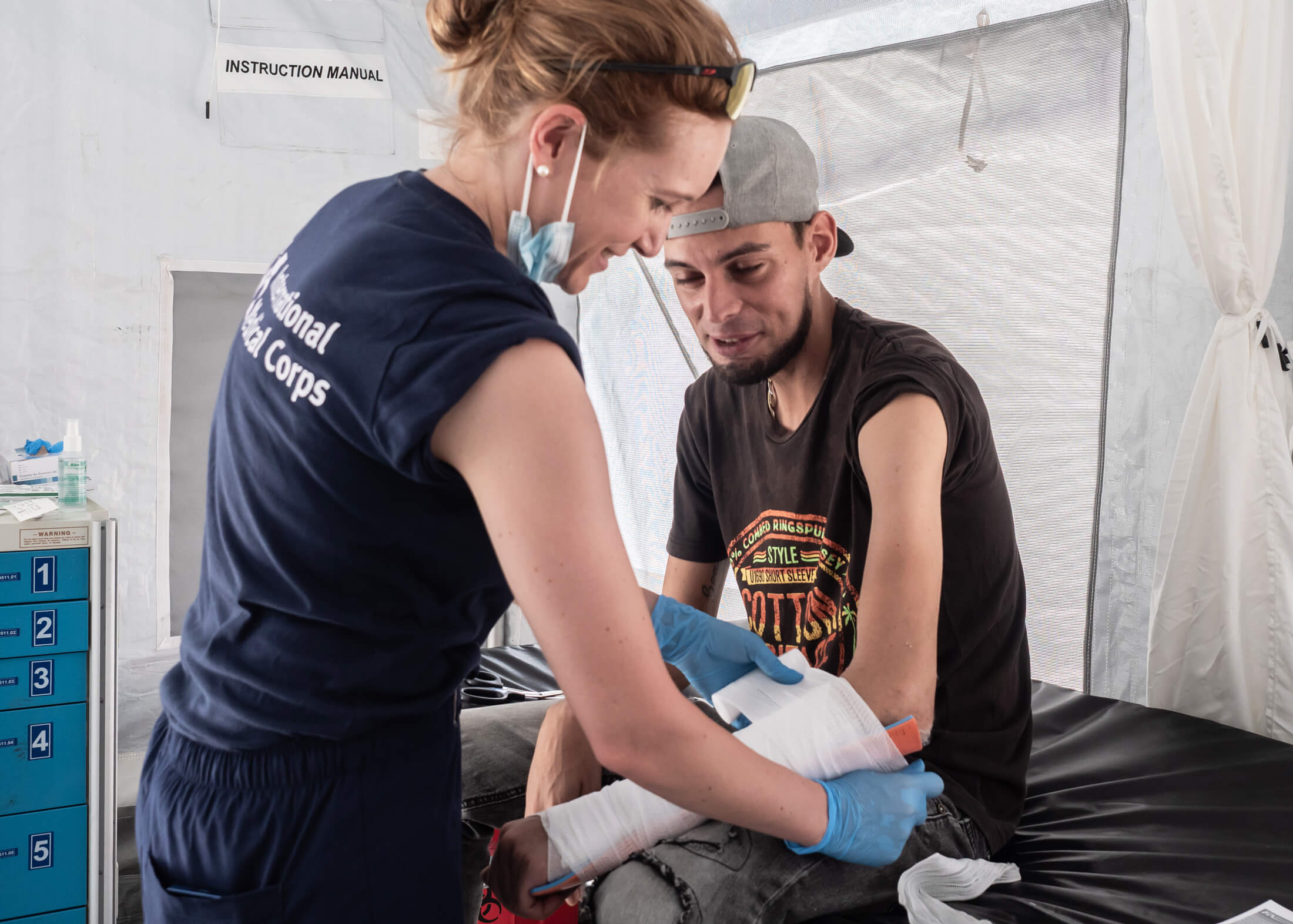
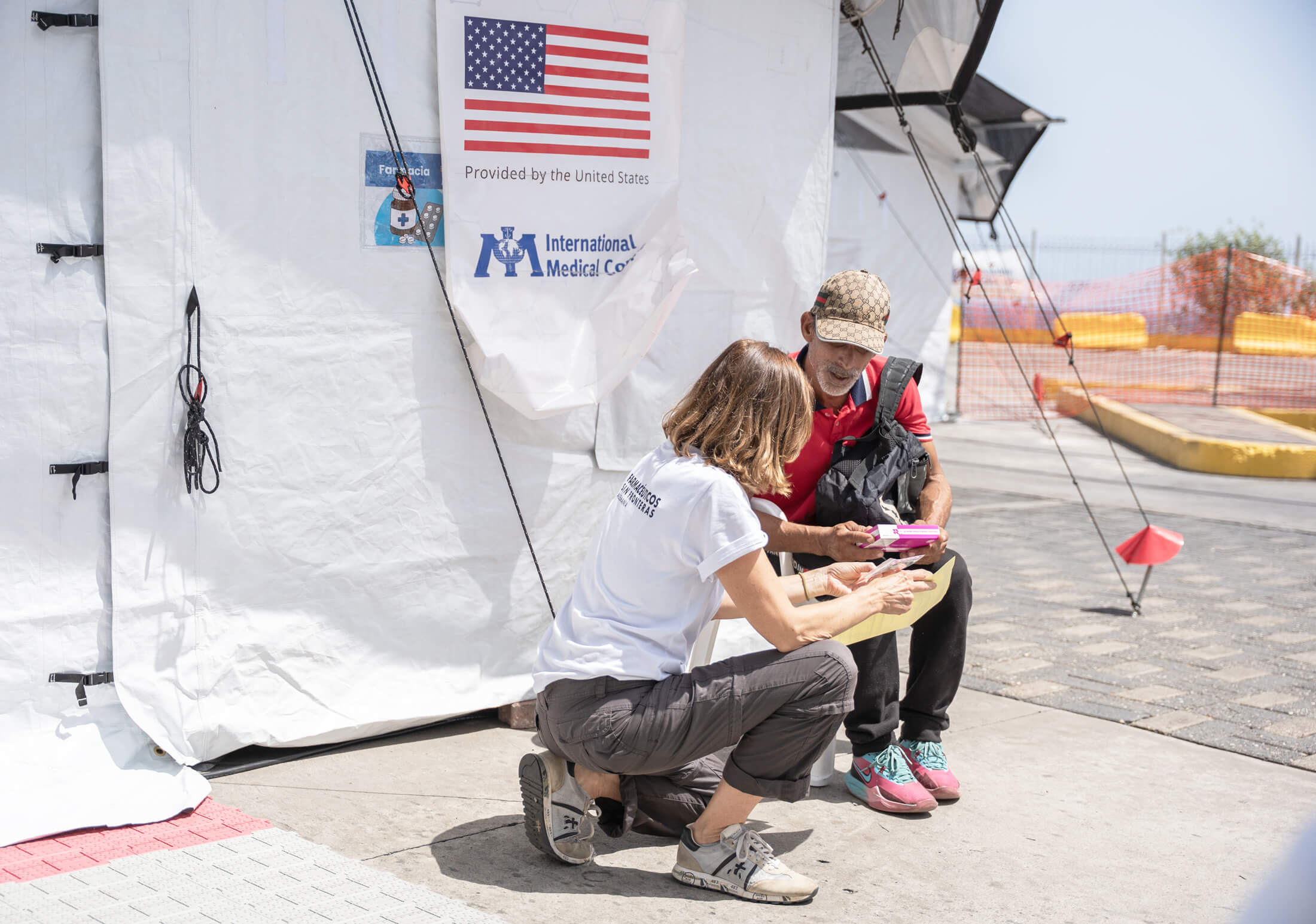
Our ResponseOn July 1, we deployed our first mobile medical unit (MMU) to provide flexible access to essential medical and mental health services for affected populations. On July 11, we opened a fully supplied, self-sufficient outpatient medical center known as an EMT Type 1 Fixed facility that provided a full range of medical and mental health services to affected people in La Guaira state until its closure on October 30. Here is a summary of the humanitarian aid we provided during the first three months of our response to the quakes, from June 24 to September 28. |
Health
To help meet the healthcare needs of communities affected by these devastating earthquakes, International Medical Corps:
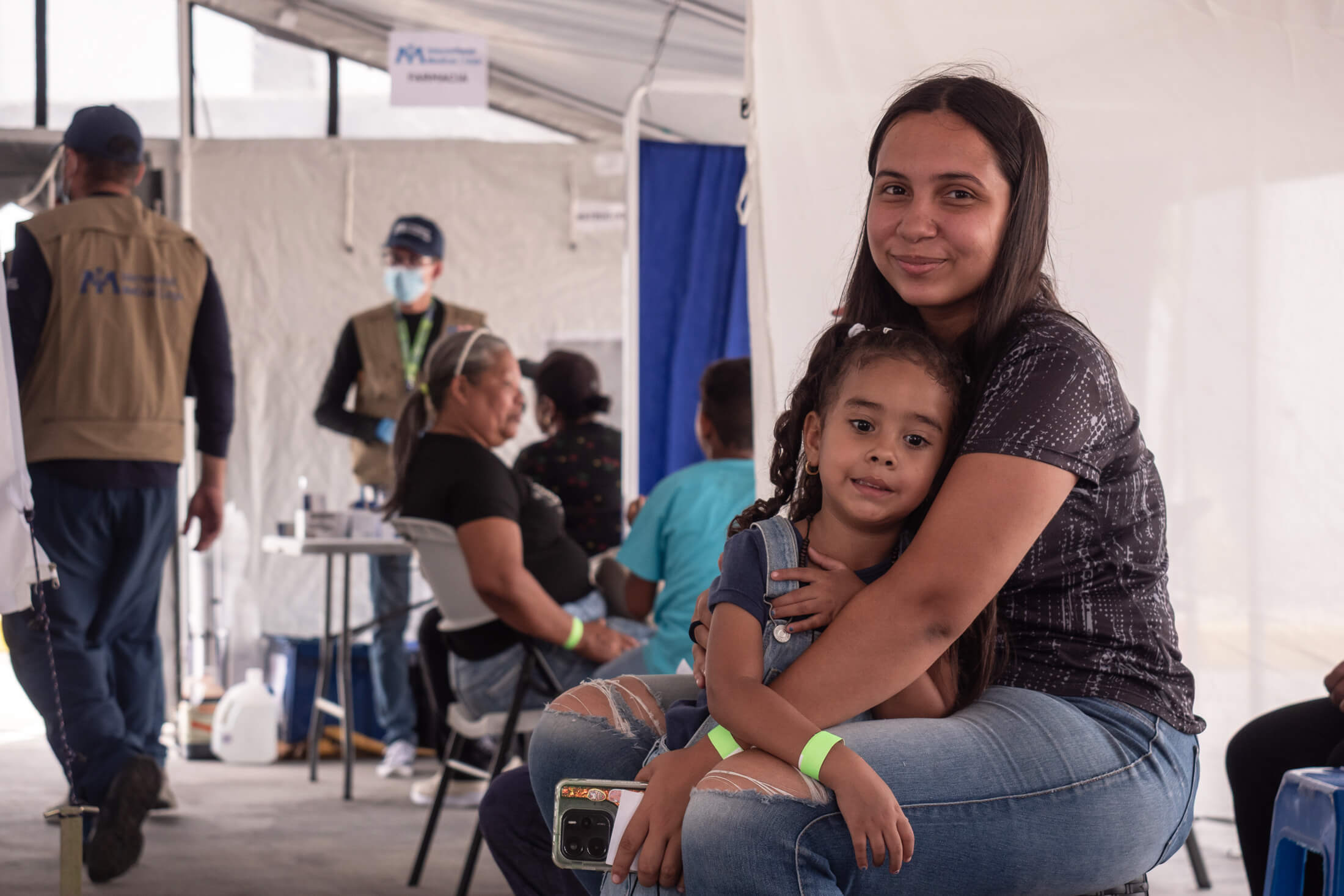
- conducted 158 MMU visits to 61 camps and communities;
- provided 10,601 health consultations for earthquake- affected patients through our MMUs and 7,625 health consultations at the EMT in La Guaira state; and
- donated essential medicines, medical equipment and supplies to a local health facility.
Mental Health and Psychosocial Support (MHPSS)
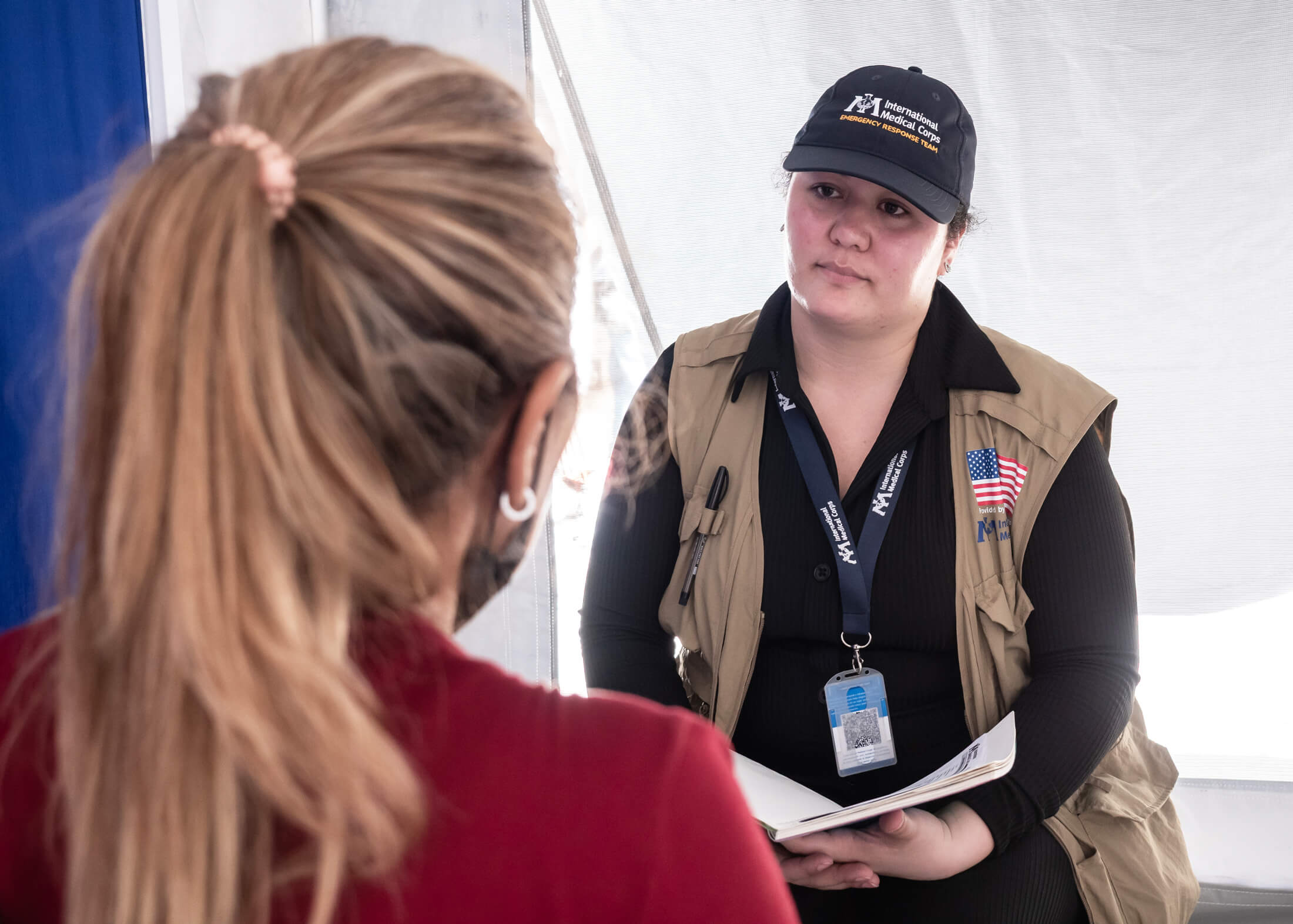
To help earthquake survivors grieving the loss of loved ones, homes and livelihoods, and living with increased fear, anxiety, sadness, sleeplessness and other stress reactions, International Medical Corps provided:
- 1,492 mental health consultations, including 792 psychological first-aid and 236 psychoeducation consultations, as well as 330 individual consultations;
- four training sessions to 39 healthcare workers and community first responders on topics including Caring for the Caregiver and Basic Psychosocial Skills; and
- four group-support sessions for 38 healthcare workers and local responders.
Water, Sanitation and Hygiene (WASH)
When natural disasters displace people, families are forced into crowded shelters where water availability, sanitation coverage and hygiene conditions are below minimum humanitarian standards, heightening the risk of communicable diseases. In response, International Medical Corps provided WASH services that included the delivery of:
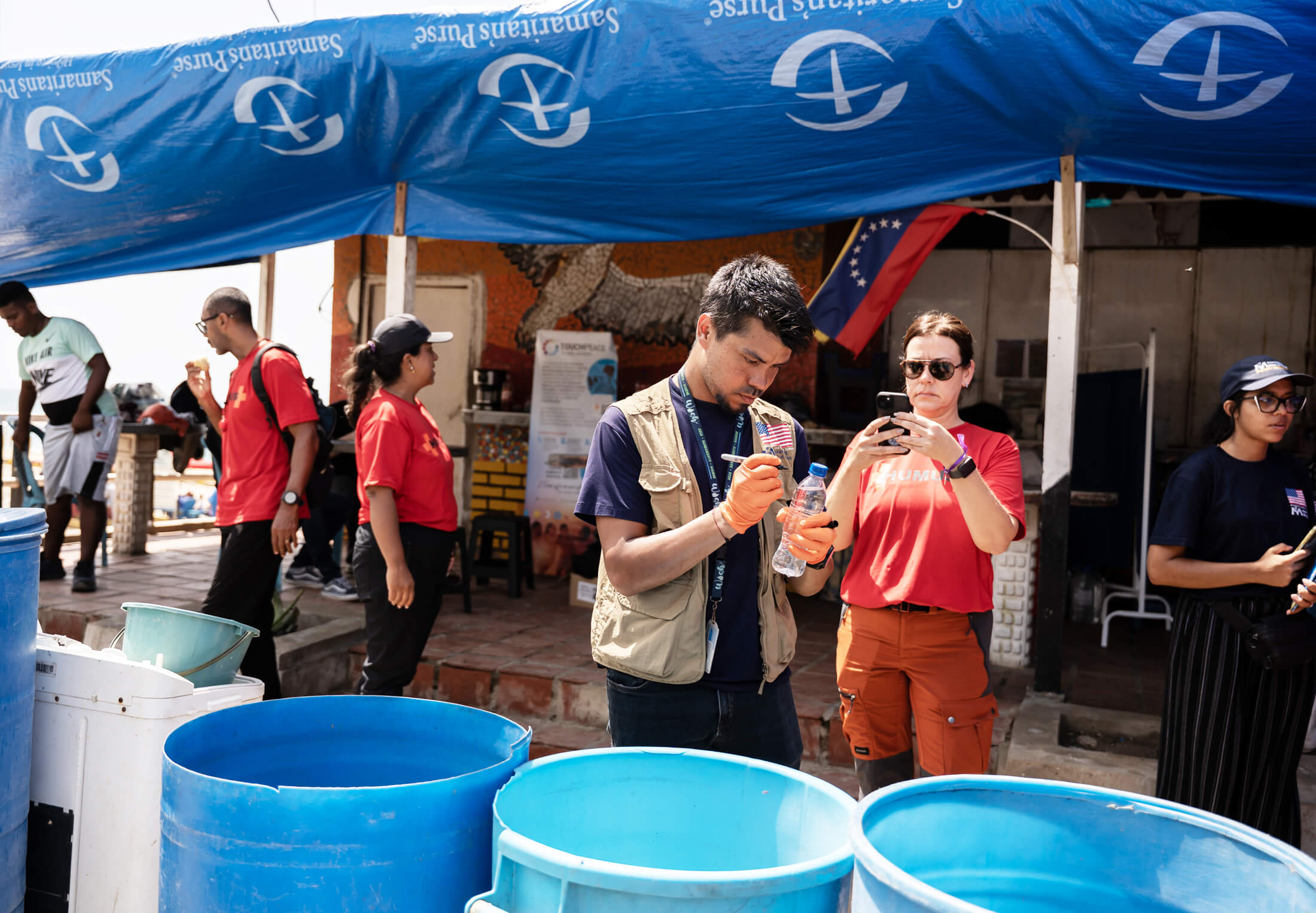
- 20,000 liters of water per day to five camps and two communities, reaching approximately 5,700 people, so far totaling 1.5 million liters of safe water;
- 36 portable toilets, eight showers and eight 2,000-liter water storage tanks at four displacement camps and two health facilities;
- 22 hygiene promotion sessions across the EMT, eight camps and communities, reaching 564 people; and
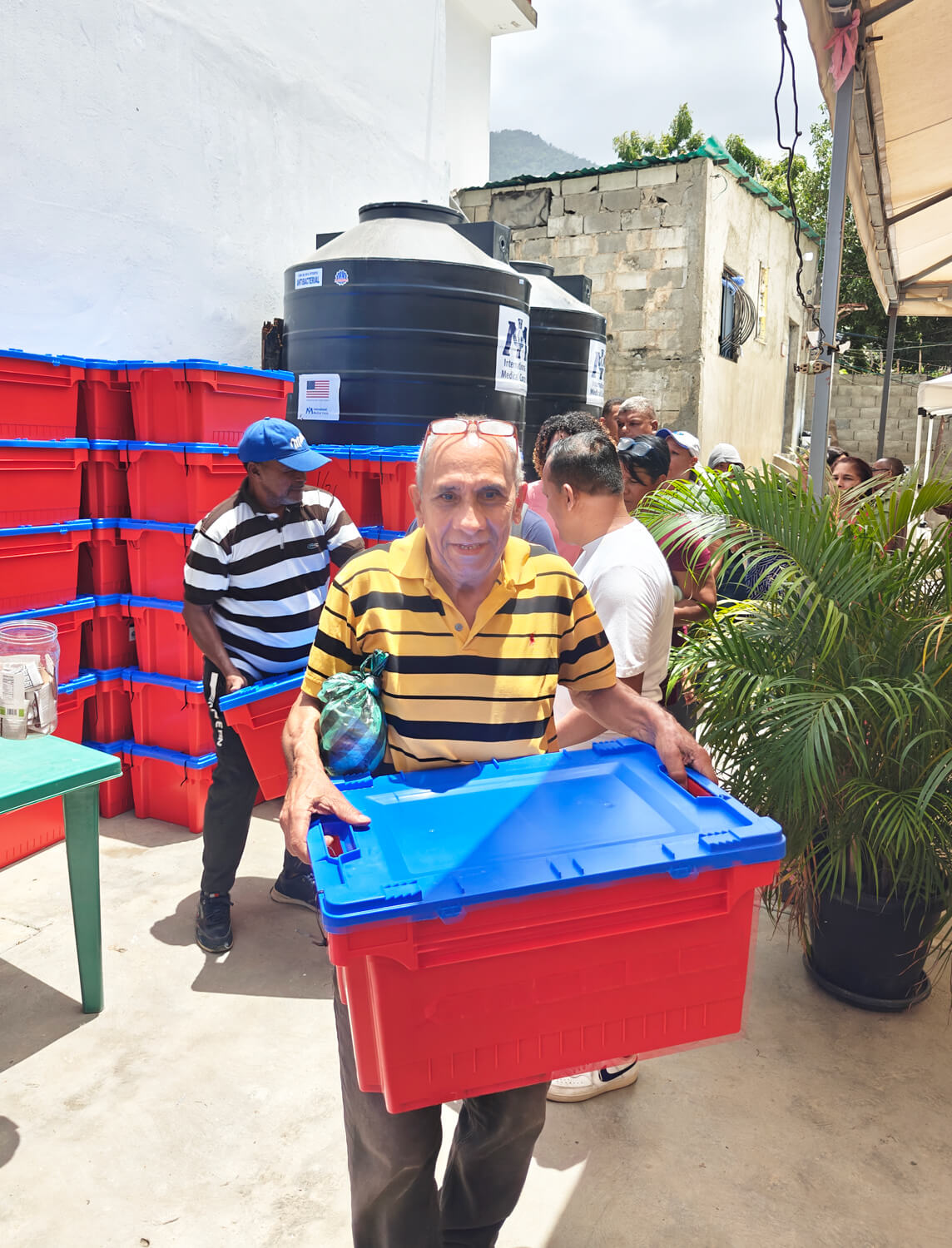
- 242 hygiene kits and 233 non-food items (NFIs) to vulnerable community members, reaching 927 people.
Looking Ahead
International Medical Corps is continuing to support sustained response and recovery efforts by:
- providing medical, mental health care and outreach through our MMUs;
- providing critical rehabilitation and repairs to WASH services in health facilities, to ensure access to safe water;
- developing and implementing a dedicated mental health curriculum for frontline workers and public servants involved in emergency response;
- delivering support to affected health facilities, including distribution of medical supplies, commodities and infection-prevention and control items;
- strengthening local health-system capacity by training key healthcare workers on health, MHPSS and WASH topics; and
- deploying a temporary health facility to expand the capability of an earthquake-affected health facility, and restore access to essential health services for surrounding communities.