Creating Safer Spaces for Healthcare in Nigeria
In Monguno, Borno State, Nigeria, International Medical Corps’ Water, Sanitation and Hygiene (WASH) team is working to improve water and sanitation at healthcare facilities to ensure that patients and healthcare workers have cleaner, safer environments. Through infrastructure rehabilitation, repair work and improvements to water and sanitation facilities, our teams are helping keep essential health services functional while strengthening facilities’ ability to meet communities’ needs.
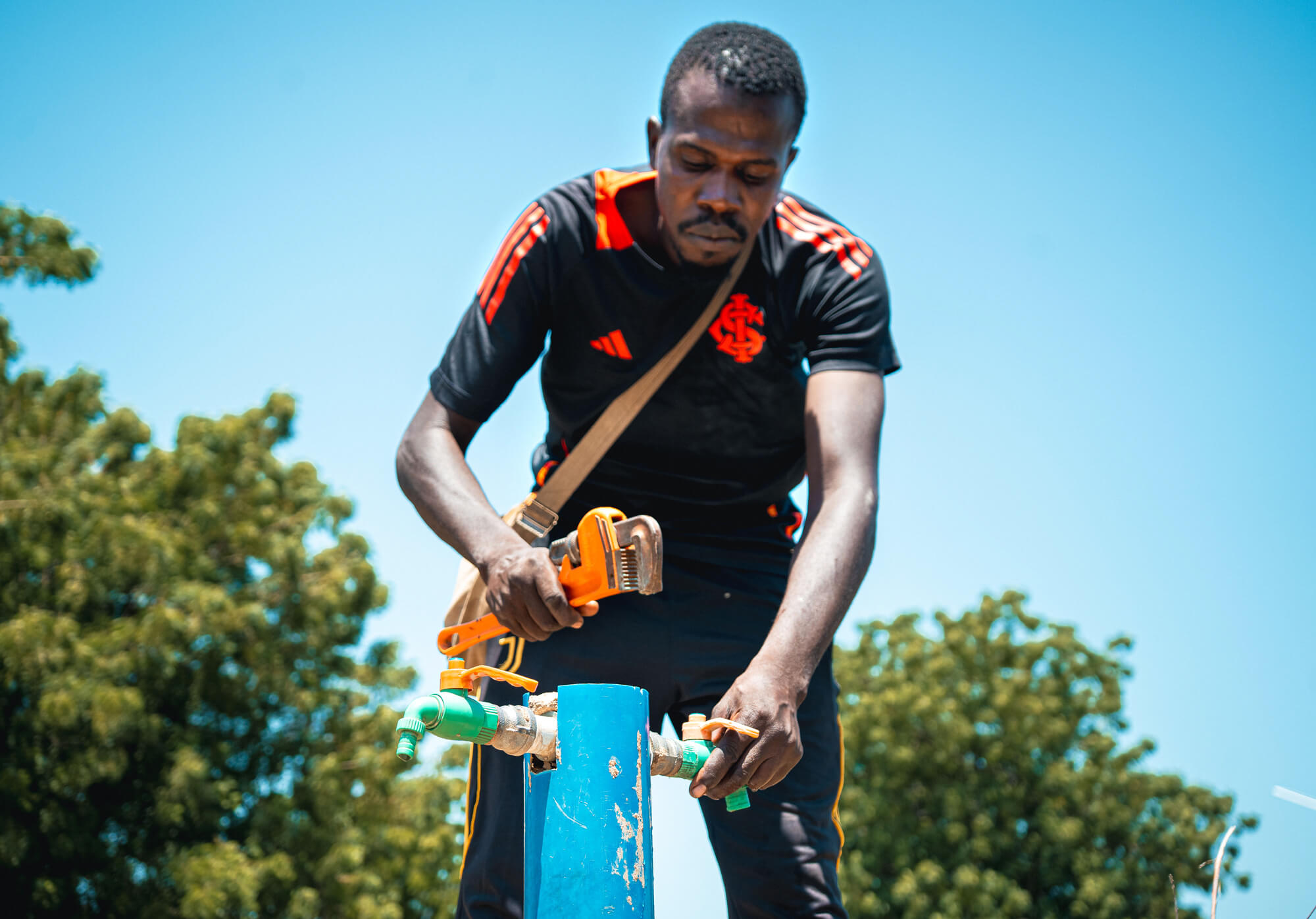
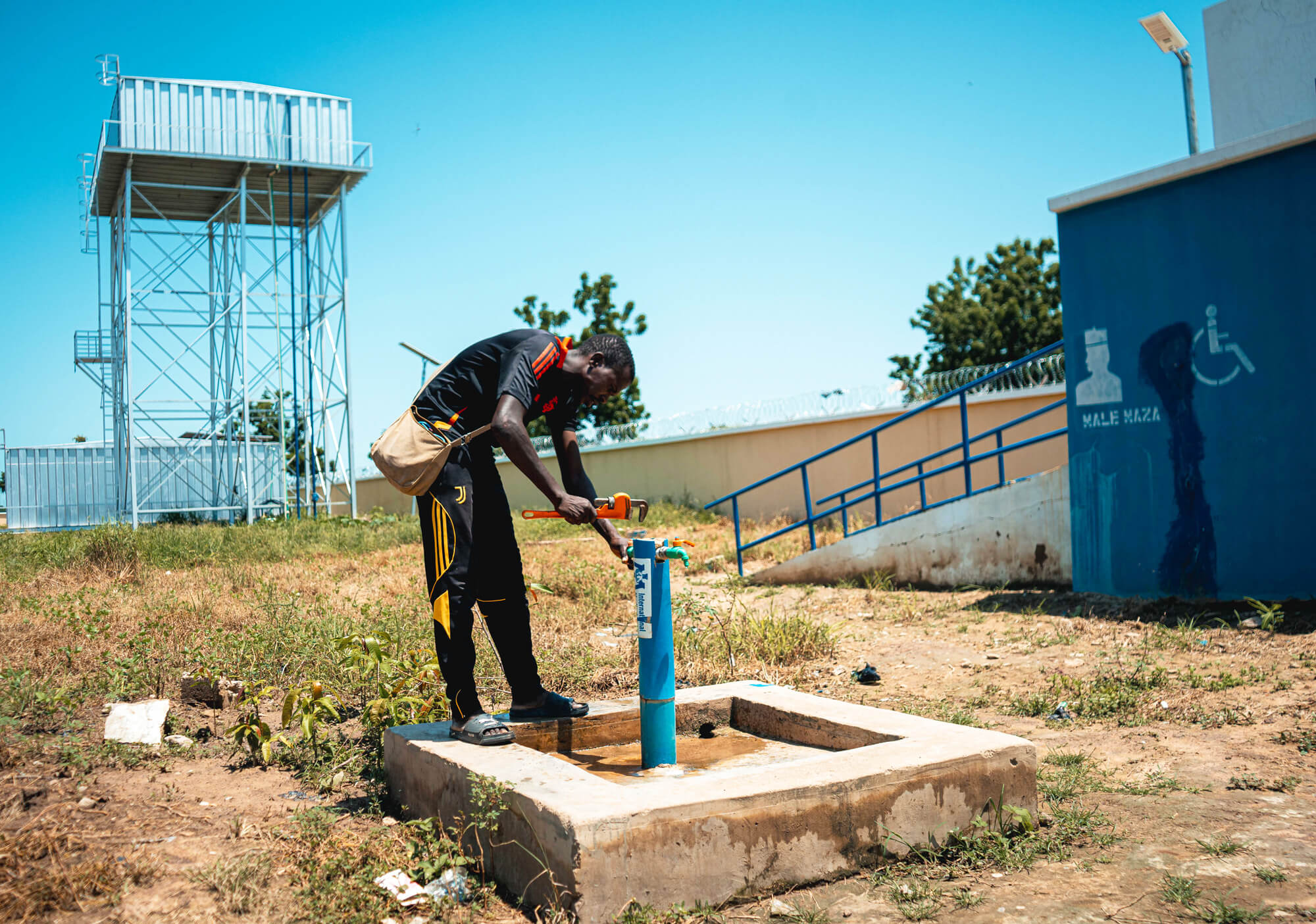
Our teams are also strengthening infection-prevention and control measures to protect patients, healthcare workers and visitors.
Together, these efforts create healthcare spaces where communities can seek treatment with greater confidence and where healthcare workers can focus on what matters most: caring for their patients.
Racing to Deliver Supplies for the Ebola Response in the DRC
Fighting Ebola takes more than medical expertise; it takes millions of gloves, thousands of protective coveralls and a supply chain that can keep pace with an epidemic. In the Democratic Republic of the Congo (DRC), the second-largest Ebola outbreak in recorded history is unfolding, International Medical Corps’ Procurement and Logistics teams are working around the clock to get lifesaving supplies where they’re needed most.
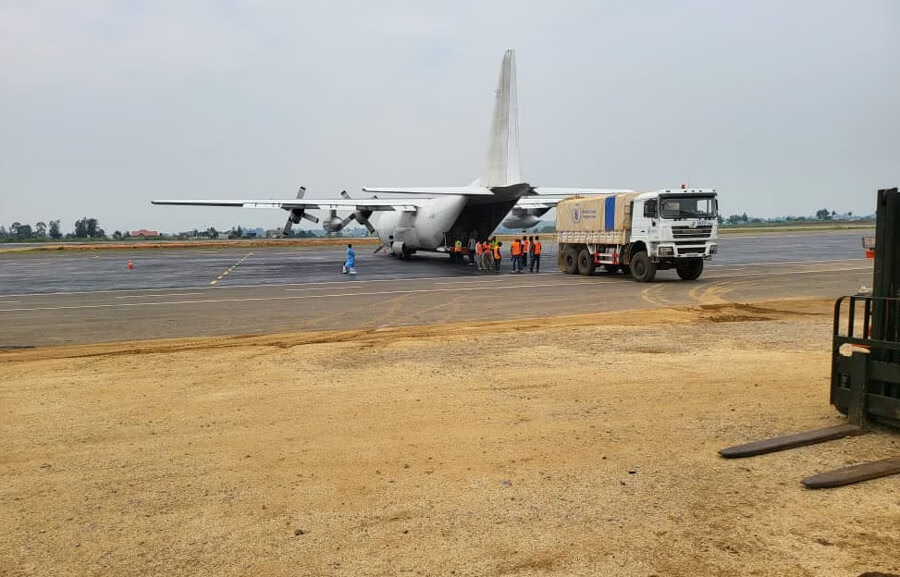
With vendors facing shortages and shipments traveling through neighboring Uganda and Rwanda before reaching Ebola-affected areas, our teams are navigating complex logistics, customs requirements and difficult road conditions to ensure that healthcare workers have the protective equipment they need to protect themselves and prevent further transmission of this deadly disease.
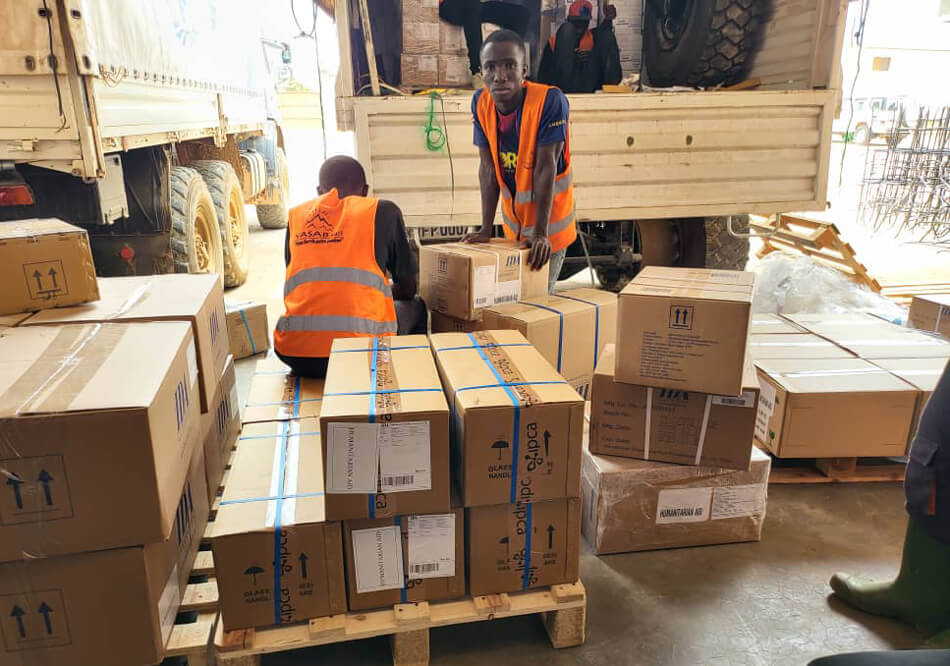
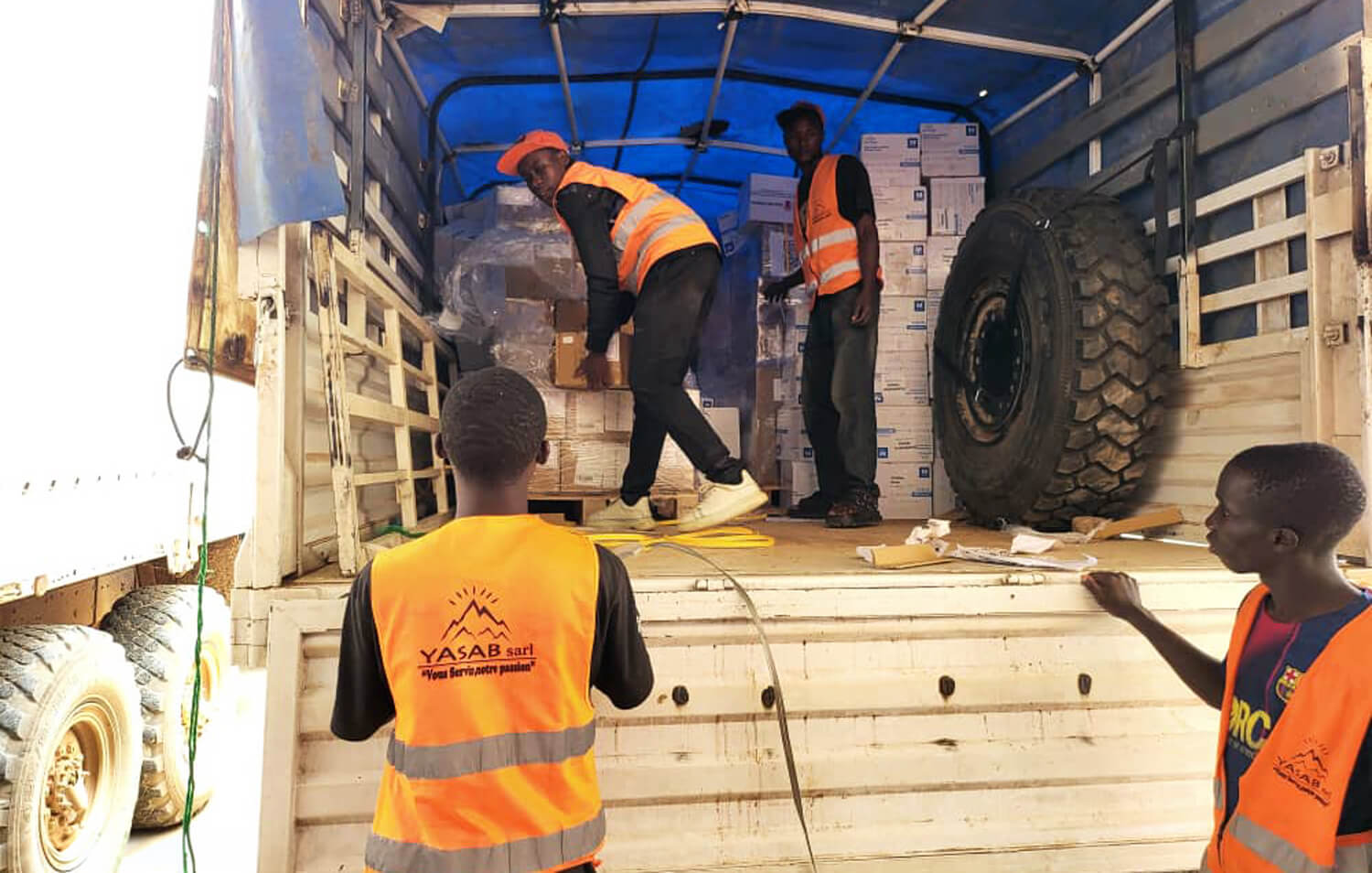
Our teams are also building the infrastructure needed to care for patients safely. Since the outbreak was declared in May, we’ve opened four Ebola treatment centers (including the largest in the country) and seven transit centers, and done it quickly: our teams built the first treatment center in Bunia in less than two weeks—far faster than the typical 21-day construction timeline.
Read the full story to learn more about our Ebola response.
Training Emergency First Responders from Around the World
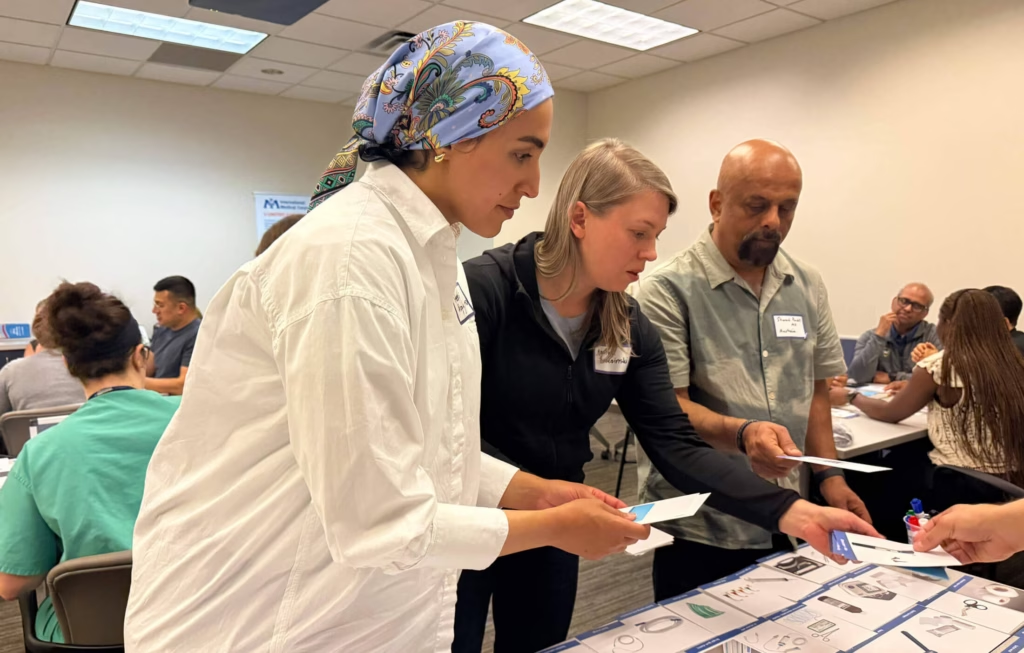
When disaster strikes, hospitals must be ready to care for a sudden surge of patients—and every second counts. That’s why our Emergency Response Unit brings mass-casualty management (MCM) training to healthcare workers around the world, helping them plan, coordinate and respond when emergencies overwhelm their facilities.
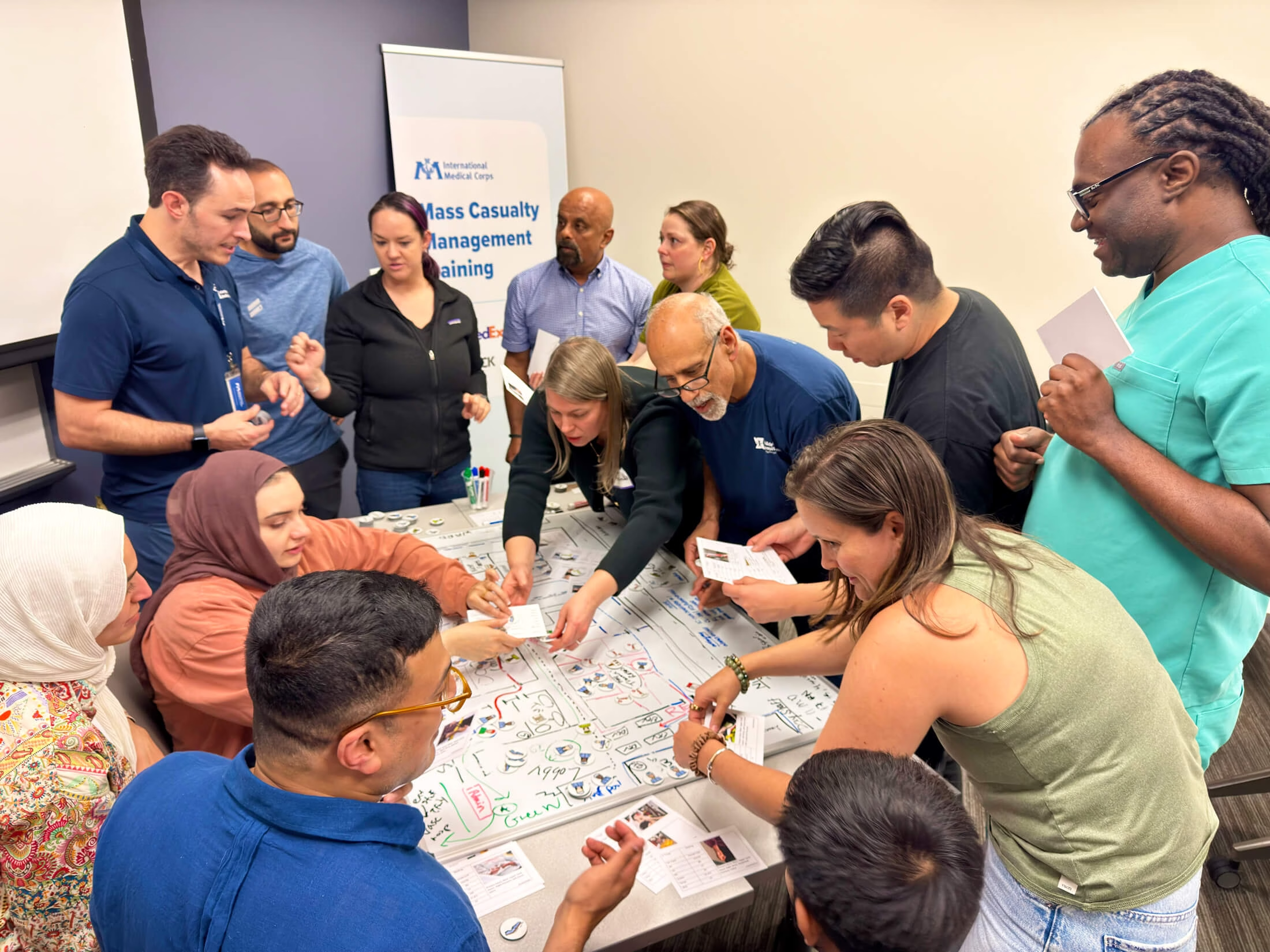
We recently brought this training to Grady Memorial Hospital in Atlanta, Georgia, where we taught participants from hospitals in the US and five other countries how to develop or strengthen their hospitals’ emergency response plans.
But the training doesn’t stop when the course ends. Through our “train the trainer” approach, participants are equipped to teach MCM to others, expanding the number of hospitals that can benefit from this lifesaving knowledge.
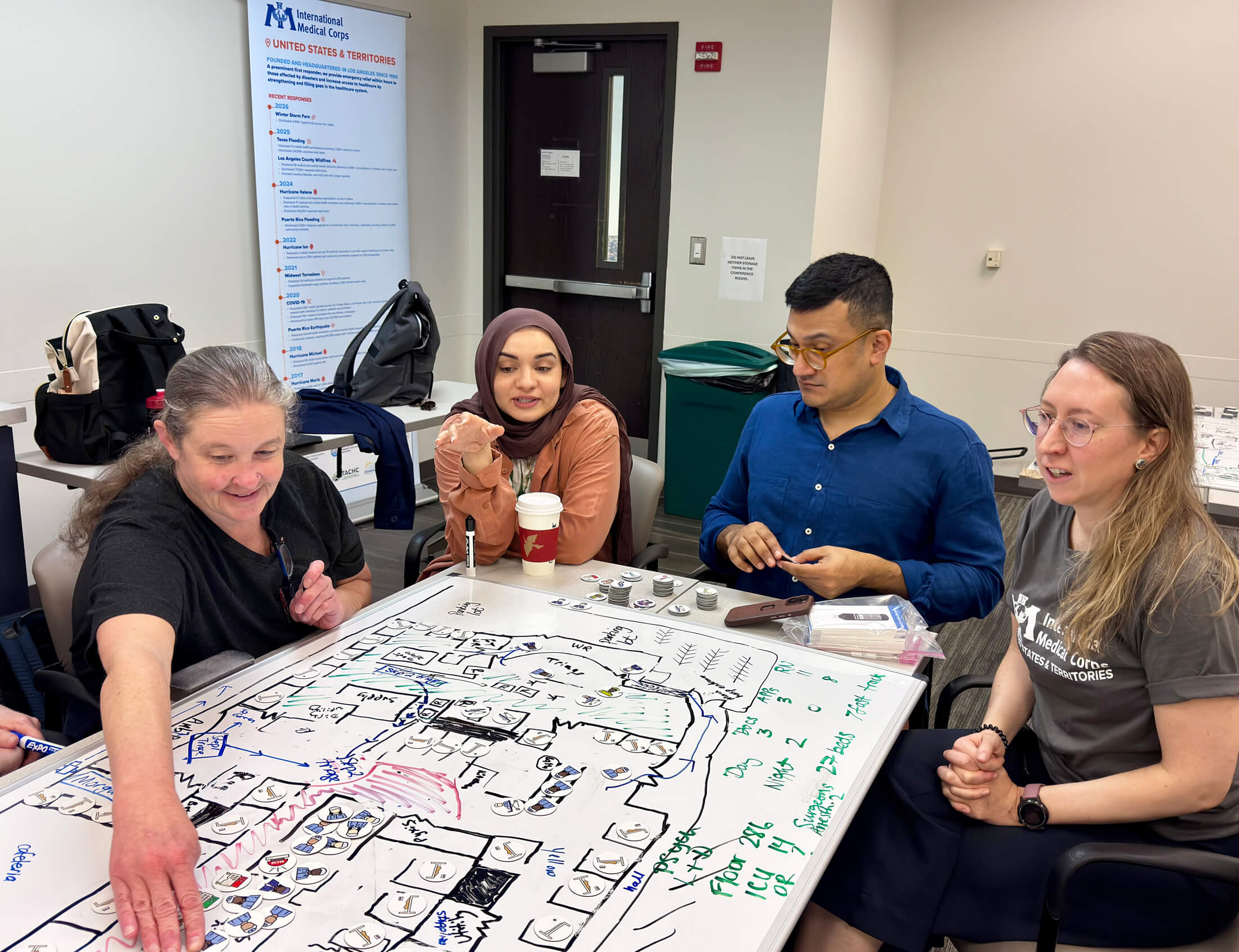
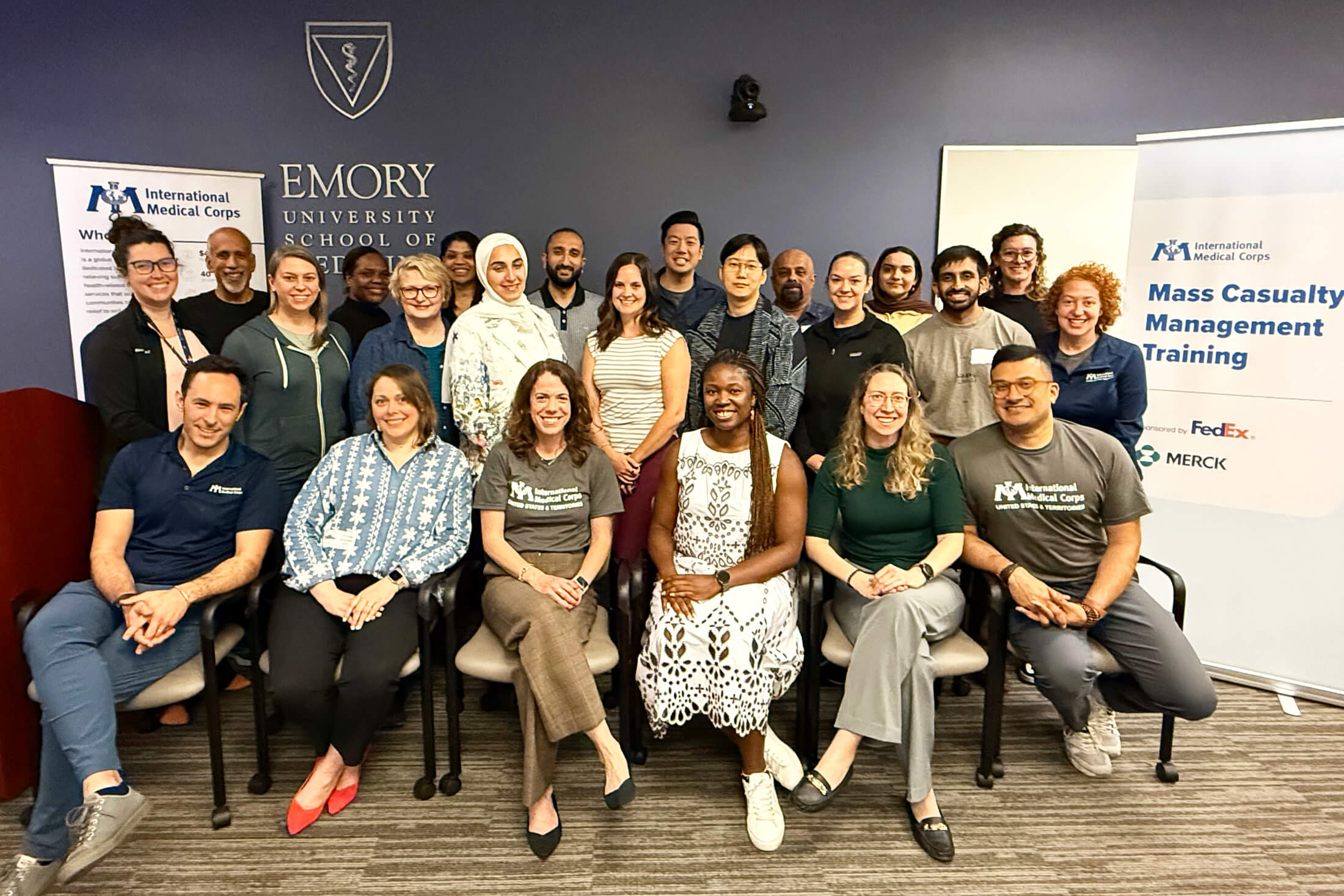
Because mass-casualty events can happen anywhere, at any time, we’re helping hospitals build the skills, systems and confidence they need to protect patients when it matters most.
Helping Abakio Find Her Strength Again in South Sudan
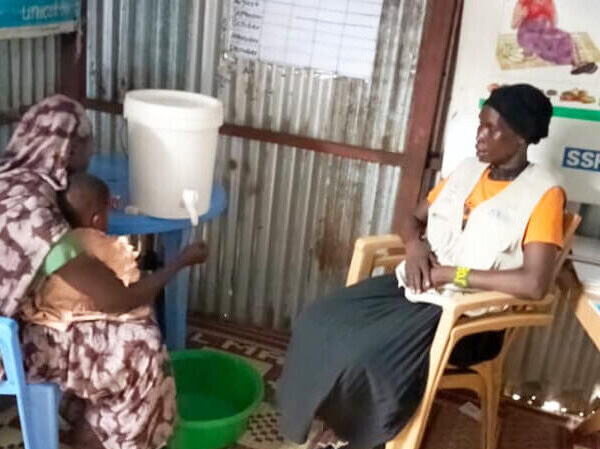
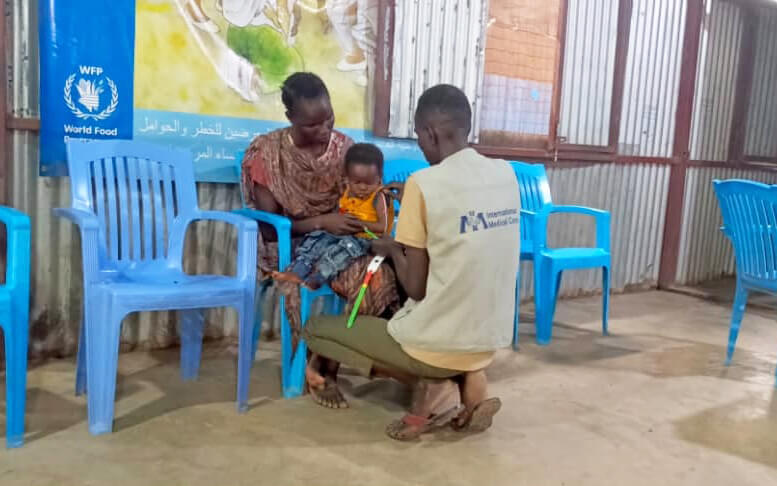
It was heartbreaking for Sarah Solomon to watch her young daughter grow weaker. At just 23 months old, Abakio Ojulo was suffering from acute malnutrition, which threatened the healthy start every mother wants for her child. Living with her mother and younger sister in a displacement camp in Malakal, South Sudan, Abakio’s condition was identified during a routine home visit by our community nutrition volunteers.
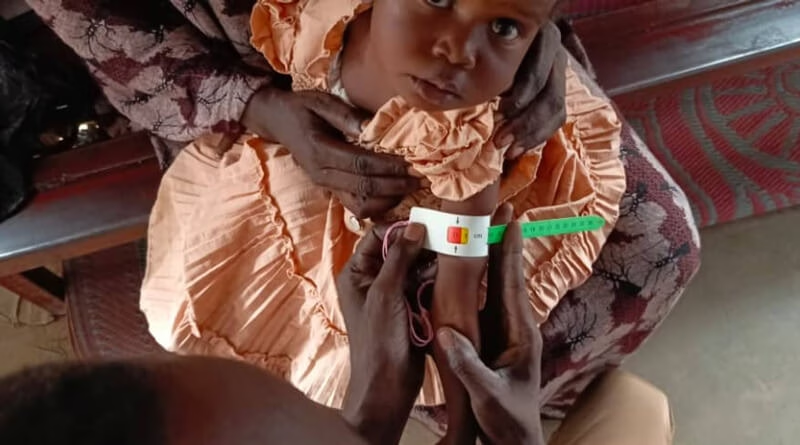
Their quick action connected her to a nutrition facility supported by International Medical Corps and UNICEF, where staff assessed her and enrolled her in an outpatient treatment program. Thanks to ready-to-use therapeutic food and regular follow-up visits, Abakio began the journey toward recovery.
For Sarah, each sign of improvement brought renewed hope. In addition to providing Abakio’s treatment, our nutrition team counseled Sarah on hygiene and sanitation practices to help protect her daughter from illnesses that can contribute to malnutrition. By identifying malnutrition early and connecting children to treatment, our teams help families like Sarah’s move beyond fear and toward a healthier future.
Preparing the Next Generation of Mental Health Professionals in Jordan
Since our founding in 1984, training has been at the core of our mission. Our team in Jordan has continued this practice by providing internship opportunities for students from the University of Jordan who are studying psychology and social work.
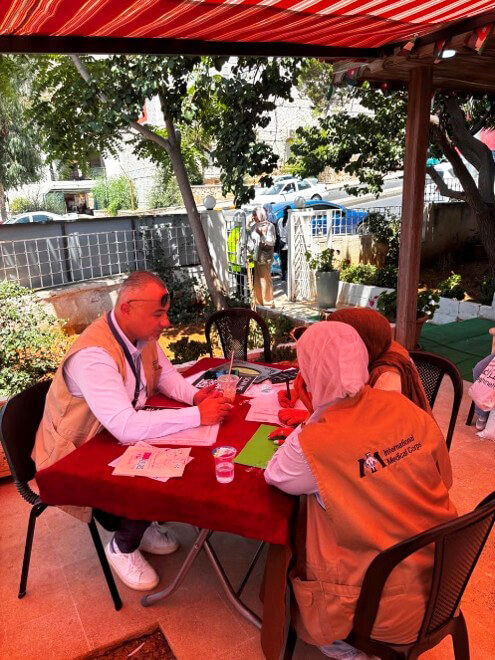
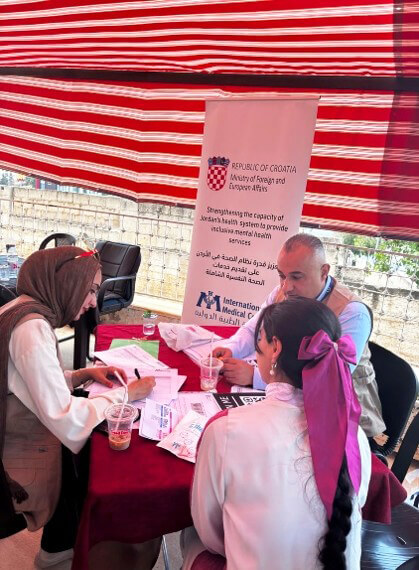
The internship gave students the chance to take their knowledge outside the classroom and gain an inside look at how mental health and psychosocial support (MHPSS) services reach people who need them. Through orientation, observation, supervised participation and practical assignments, the interns explored the many steps involved in mental-health case management—from identifying and assessing clients to developing care plans, coordinating referrals, monitoring progress and closing cases.
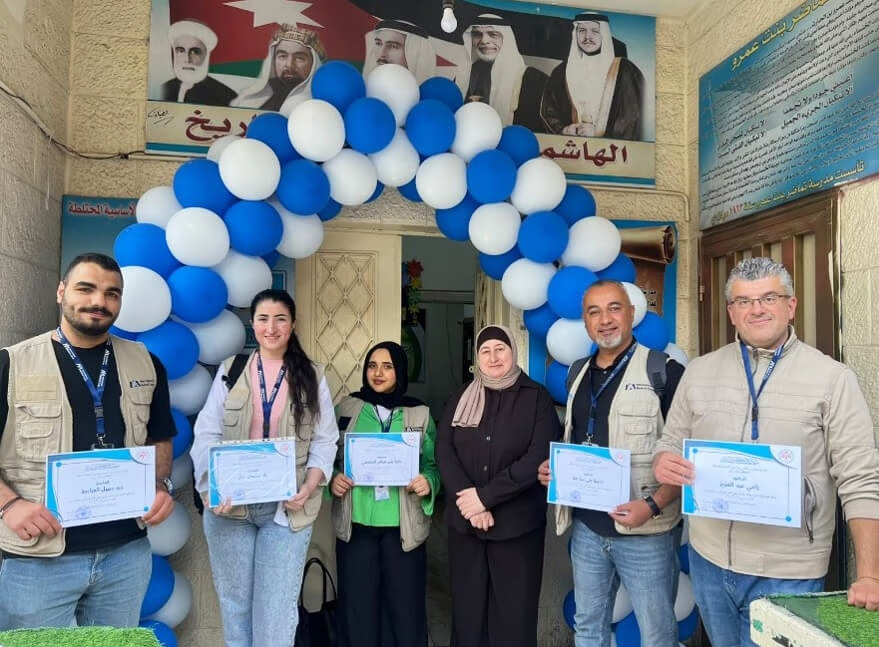
Just as important, the experience brought the human realities behind the work into focus. By learning alongside MHPSS specialists, doctors and supervisors, the students gained a deeper understanding of the challenges facing the people and communities we serve, as well as of the teamwork, sensitivity and careful coordination needed to support them.
Learn more about International Medical Corps
Follow International Medical Corps on Facebook, X, Instagram, LinkedIn, TikTok, Threads, Bluesky and YouTube.
Are you a journalist looking for information?
International Medical Corps is a global first responder that delivers emergency medical and related services to those affected by conflict, disaster and disease, no matter where they are, no matter the conditions. We also train people in their communities, providing them with the skills they need to recover, chart their own path to self-reliance and become effective first responders themselves. Established in 1984 by volunteer doctors and nurses, we are a nonprofit with no religious or political affiliation, and now have more than 8,000 staff members around the world, 96% of whom are locally hired. Since our founding, we have operated in more than 80 countries, and have provided more than $4.2 billion in emergency relief and training to communities worldwide.
Our staff includes experts in emergency medicine, infectious disease, nutrition, mental health, maternal and infant health, gender-based violence prevention and treatment, training, and water, sanitation and hygiene, all within the humanitarian context.
To arrange an interview on or off the record, contact our Media Relations team at media@internationalmedicalcorps.org.